
“Causes, Symptoms, Diagnosis, and Modern Treatment” ??
What is Deep Vein Thrombosis (DVT)?
(Deep Vein Thrombosis – DVT)
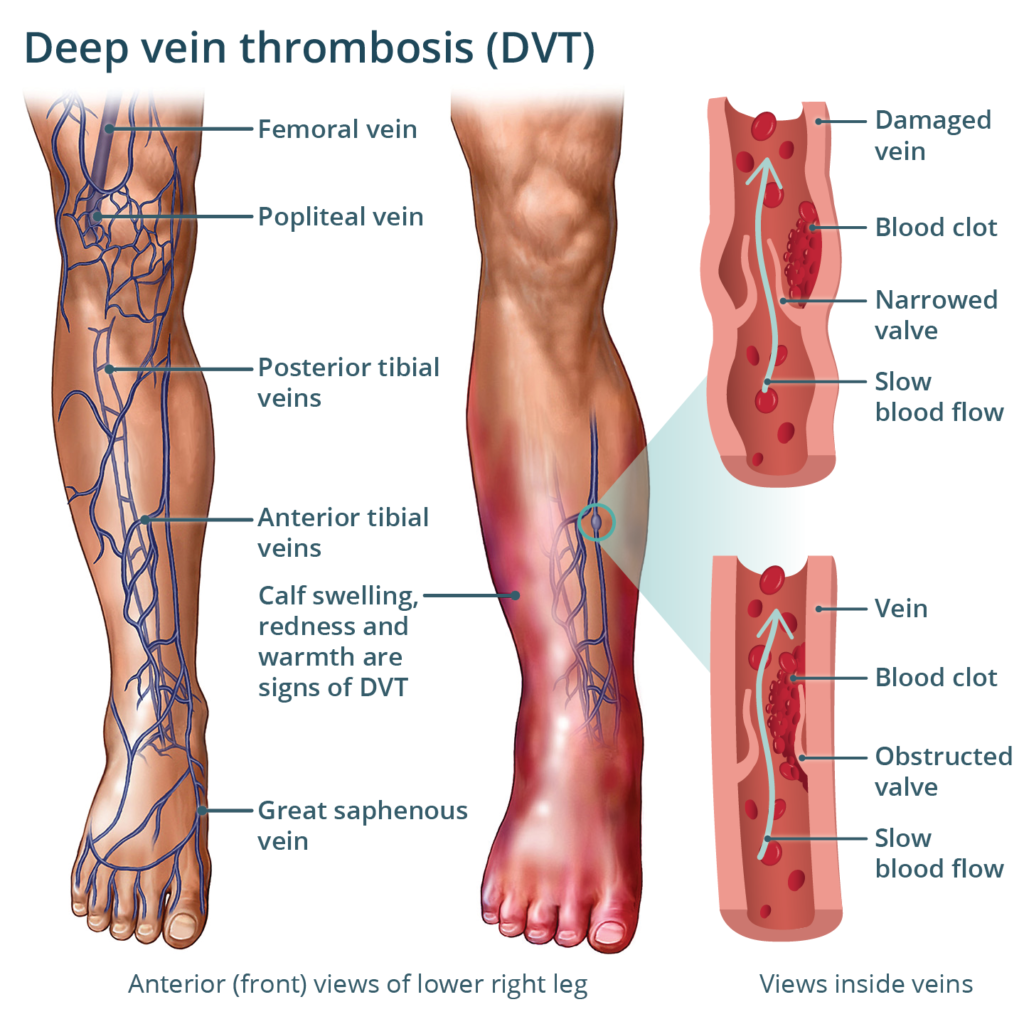
Deep Vein Thrombosis (DVT) is a medical condition that occurs when a blood clot forms in one of the deep veins, most commonly in the veins of the leg or thigh. The danger of this condition lies in the potential for the clot to travel to the lungs, causing a pulmonary embolism, which is one of the most serious complications of blood clots.
Early diagnosis and prompt treatment are essential factors in saving the patient’s life and preventing long-term complications.
ـــــــــــــــــــــــــــــــــــــــــــــــــــــــــــــــــــــــــــــــــــــــــــــــــــــــــــــــــــــــــــــــــــــــــــــــــــــــــــــــ
Causes of Deep Vein Thrombosis (DVT)
“Blood clots usually form due to slow blood flow or increased blood coagulability, with the most common causes being :-
• Prolonged sitting or lying down (long trips, hospitalization)
• Surgical procedures, especially orthopedic and pelvic surgeries
• Pregnancy and the postpartum period
• Use of hormonal medications
• Obesity and physical inactivity
• Smoking
• Family history of blood clots
• Cancer and blood clotting disorders
ـــــــــــــــــــــــــــــــــــــــــــــــــــــــــــــــــــــــــــــــــــــــــــــــــــــــــــــــــــــــــــــــــــــــــــــــــــــــــــــــ
Symptoms of Deep Vein Thrombosis (DVT)
Symptoms may be obvious or silent in some cases, and include :-
• Swelling in one leg, usually
• Pain or a feeling of tightness in the leg, worsened by walking or standing
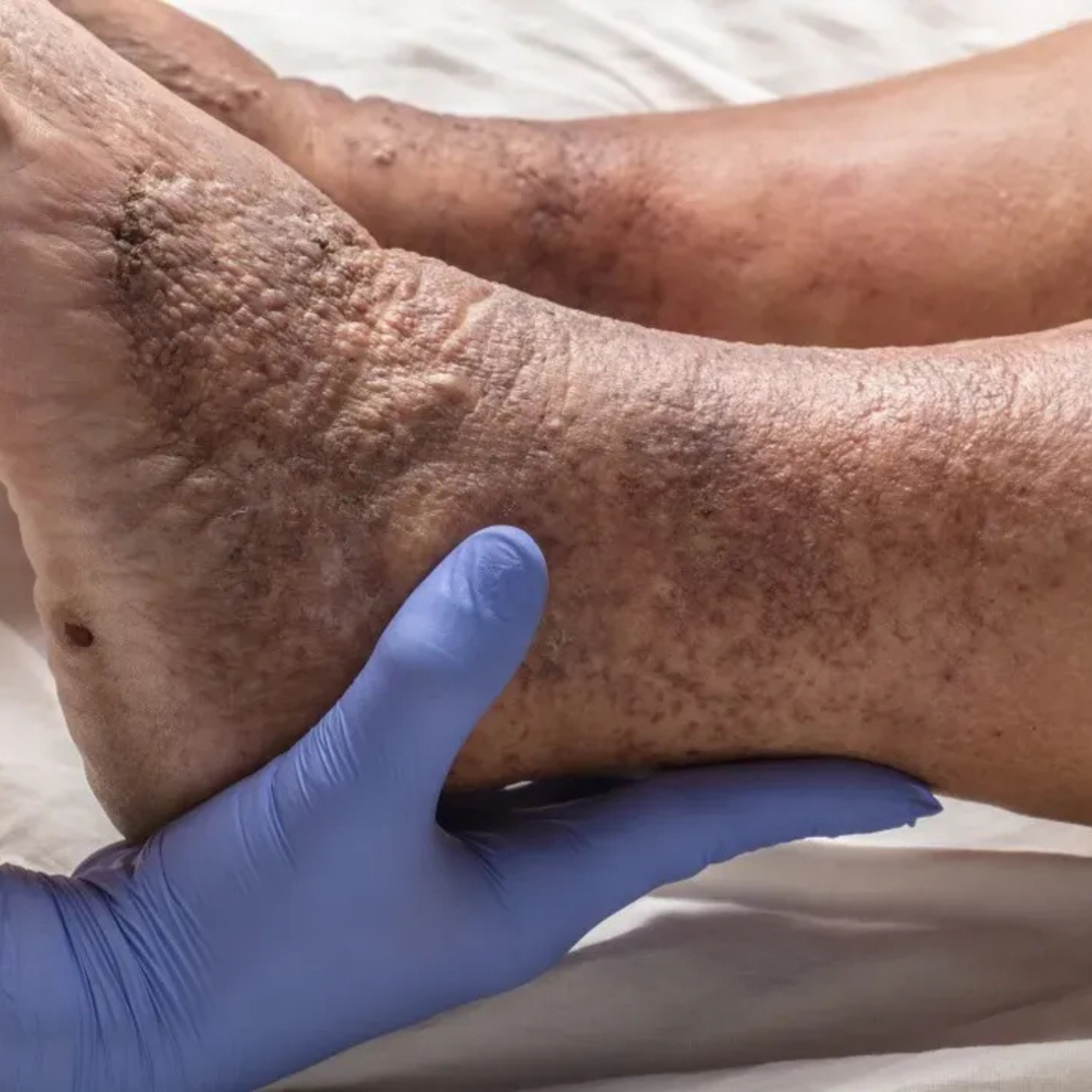
• Redness or skin color changes
• Increased warmth in the affected leg
• Persistent heaviness or discomfort in the leg
“⚠️ Medical Alert: The absence of symptoms does not mean the clot is not present; therefore, medical evaluation is essential if DVT is suspected.”
ـــــــــــــــــــــــــــــــــــــــــــــــــــــــــــــــــــــــــــــــــــــــــــــــــــــــــــــــــــــــــــــــــــــــــــــــــــــــــــــــ
Complications of deep vein thrombosis (DVT)
Pulmonary embolism (PE)
It is the most dangerous complication, occurring when the clot travels to the lungs, causing :-
• Sudden shortness of breath
• Severe chest pain
• Rapid heart rate (tachycardia)
• Cough, which may be blood-tinged
Post-thrombotic syndrome (PTS)
Which may lead to :-
• Chronic leg swelling
• Persistent pain
• Skin changes and ulceration in advanced cases
ـــــــــــــــــــــــــــــــــــــــــــــــــــــــــــــــــــــــــــــــــــــــــــــــــــــــــــــــــــــــــــــــــــــــــــــــــــــــــــــــ
Diagnosis of Deep Vein Thrombosis (DVT)
Diagnosis is based on :-
• Clinical assessment of symptoms
• Doppler ultrasound imaging
• Blood D-dimer test
• CT scan or MRI when indicated
Accurate diagnosis helps in selecting the most appropriate treatment and preventing complications.
ـــــــــــــــــــــــــــــــــــــــــــــــــــــــــــــــــــــــــــــــــــــــــــــــــــــــــــــــــــــــــــــــــــــــــــــــــــــــــــــــ
Treatment of Deep Vein Thrombosis (DVT)
The treatment of deep vein thrombosis (DVT) depends on the size and location of the clot, as well as the patient’s overall health condition.
Pharmacological Treatment
• Use of anticoagulants to prevent the clot from enlarging
• Reduce the risk of new clot formation
Interventional Catheter Therapy
• Interventional catheter treatment is one of the latest and most precise methods for treating clots, used in advanced or severe cases, where it:
• Dissolves or removes the clot directly
• Improves blood flow
• Reduces the risk of chronic complications
• This treatment is performed under the supervision of Dr. Mu’ath Al-Dergham – Consultant in Vascular Surgery and Interventional Catheterization, using advanced medical techniques and European-German standards
Compression Medical Stockings
• Help improve blood circulation
• Reduce swelling and pain
• Used as part of the therapeutic and preventive plan
ـــــــــــــــــــــــــــــــــــــــــــــــــــــــــــــــــــــــــــــــــــــــــــــــــــــــــــــــــــــــــــــــــــــــــــــــــــــــــــــــ
Prevention of Deep Vein Thrombosis (DVT)
To prevent deep vein thrombosis (DVT), it is recommended to :-
• Maintain regular movement and avoid prolonged sitting
• Drink adequate amounts of fluids
• Wear compression stockings during travel
• Quit smoking
• Maintain a healthy weight
• Follow the physician’s instructions after surgical procedures
ـــــــــــــــــــــــــــــــــــــــــــــــــــــــــــــــــــــــــــــــــــــــــــــــــــــــــــــــــــــــــــــــــــــــــــــــــــــــــــــــ
When should you see a vascular specialist ?
You should see a doctor immediately if you experience sudden leg swelling or pain, or unexplained shortness of breath.
Early intervention significantly reduces the risk of complications.
ـــــــــــــــــــــــــــــــــــــــــــــــــــــــــــــــــــــــــــــــــــــــــــــــــــــــــــــــــــــــــــــــــــــــــــــــــــــــــــــــ
Summary
Deep vein thrombosis (DVT) is a serious medical condition but is treatable when diagnosed early. With advances in vascular surgery and interventional catheter techniques, blood clots can now be treated more effectively and safely, especially with follow-up care from a specialist.
📌 الدكتور مُعاذ الضِرغام – استشاري جراحة الأوعية الدموية والقسطرات التداخلية
يقدّم تشخيصًا دقيقًا وخيارات علاج متقدمة وفق أحدث المعايير الطبية الأوروبية – الألمانية